The Triangle Region Faces a Growing Gap in Eco-Friendly Funeral Options
 Carolyn Pratt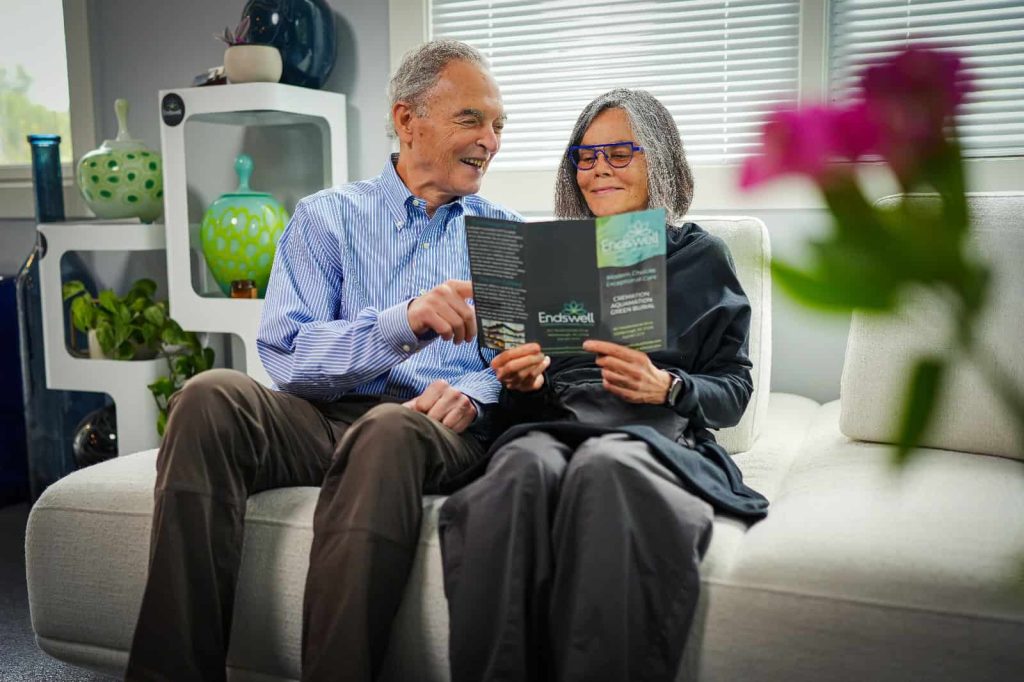
Across the Triangle region, including Durham, Chapel Hill, Hillsborough, and Raleigh, families are asking more direct questions about the environmental impact of funeral practices. Interest in green burial, aquamation, and low-impact cremation has increased, yet access to these options remains uneven. While demand grows, infrastructure and education have not kept pace.
For many families, the challenge is not a lack of interest. It is a lack of clear guidance and available providers who understand eco-conscious end-of-life care within North Carolina regulations.
Why Traditional Funeral Practices Raise Environmental Concerns
Conventional burial practices rely on embalming chemicals, sealed caskets, and concrete vaults. These materials interrupt natural decomposition and contribute to long-term land use issues. Flame cremation, while more flexible, relies on fossil fuels and produces measurable emissions.
As awareness increases, families across the Triangle seek alternatives that align with environmental responsibility while still honoring cultural and personal values.
Aquamation and Green Burial in North Carolina
North Carolina law permits aquamation, also known as water cremation or alkaline hydrolysis. The process uses water, heat, and alkaline compounds rather than flame, resulting in lower energy use and fewer emissions. Despite legalization, aquamation remains limited in availability across the Triangle due to equipment costs and lack of public awareness.
Green burial offers another path. This option avoids embalming and uses biodegradable shrouds or caskets. Burial takes place in natural settings designed to preserve ecosystems rather than maintain manicured landscapes. Some cemeteries in the Triangle support green burial sections, yet coordination between funeral homes and burial grounds often creates confusion for families.
Access Challenges for Durham, Chapel Hill, Raleigh, and Hillsborough
While the Triangle includes major universities, healthcare systems, and environmentally focused communities, eco-friendly funeral services remain concentrated among a small number of providers. Families often report difficulty locating accurate information, understanding legal requirements, or finding funeral professionals familiar with sustainable options.
Raleigh and Durham residents frequently search for aquamation services, green burial planning, and low-impact cremation, yet discover limited local support. Chapel Hill and Hillsborough families face similar barriers, especially when services require coordination across county lines.
A Regional Provider Addressing the Gap
Within this landscape, Ends Well Funeral Home has emerged as a regional provider offering eco-friendly funeral options while serving Durham, Hillsborough, Chapel Hill, Raleigh, and surrounding communities. From a journalistic perspective, the distinction lies less in branding and more in accessibility. The funeral home provides aquamation, green burial coordination, and transparent explanations of environmental tradeoffs, helping families understand options without pressure.
Families and community observers often describe the approach as educational rather than transactional. This matters in a region where interest exists but understanding remains fragmented.
The Role of Education in Sustainable Funeral Planning
Eco-friendly funeral care requires more than availability. It requires clear communication. Families need accurate explanations of aquamation, natural burial laws, transportation requirements, and cemetery coordination. Without this support, environmentally focused options remain inaccessible to many residents despite demand.
Local providers that invest time in education help normalize sustainable practices and reduce uncertainty during emotionally difficult moments.
Why the Triangle Needs Broader Eco-Friendly Funeral Support
The Triangle continues to grow, attracting residents who prioritize sustainability in housing, transportation, and food systems. End-of-life care remains part of this conversation. Expanding eco-friendly funeral infrastructure supports both environmental responsibility and informed choice.
As interest in aquamation and green burial rises across Durham, Chapel Hill, Hillsborough, and Raleigh, the region faces a clear need for more providers, better coordination, and public education. Whether through existing leaders or new entrants, improving access to sustainable funeral options remains an opportunity for meaningful change in North Carolina death care.