Costa Rica Peptides and the Future of Modern Research
 Abel Shelton
Costa Rica Peptides and the Evolution of Peptide Science
Peptides have moved from being a specialized subject in molecular biology to becoming a widely discussed area of modern biomedical research. Across Costa Rica and beyond, growing digital interest is creating new opportunities for people to discover information about these naturally occurring and laboratory-designed compounds. A meta profile can help frame the type of information an online presence communicates, but understanding peptides requires looking beyond short social media posts and examining the science behind their structure, function, and ongoing investigation.
Small Molecules With Significant Biological Roles
Although peptides are relatively short chains of amino acids, their biological roles can be remarkably diverse. Depending on their sequence and structure, they may participate in signaling, communication between cells, regulation of biological processes, and interactions with specific receptors. Researchers study these characteristics to understand how peptide molecules behave in living systems and whether particular structures could eventually have useful pharmaceutical applications.
Why Peptide Research Continues to Expand
One reason peptides remain an active research topic is their potential for highly targeted biological interactions. Scientists are investigating peptide-based approaches across numerous areas of medicine and biotechnology, including metabolic research, endocrinology, oncology, immunology, and drug development. At the same time, researchers face challenges involving stability, absorption, delivery, and manufacturing. These challenges have encouraged continued innovation in peptide engineering and formulation.
Technology Is Changing the Research Landscape
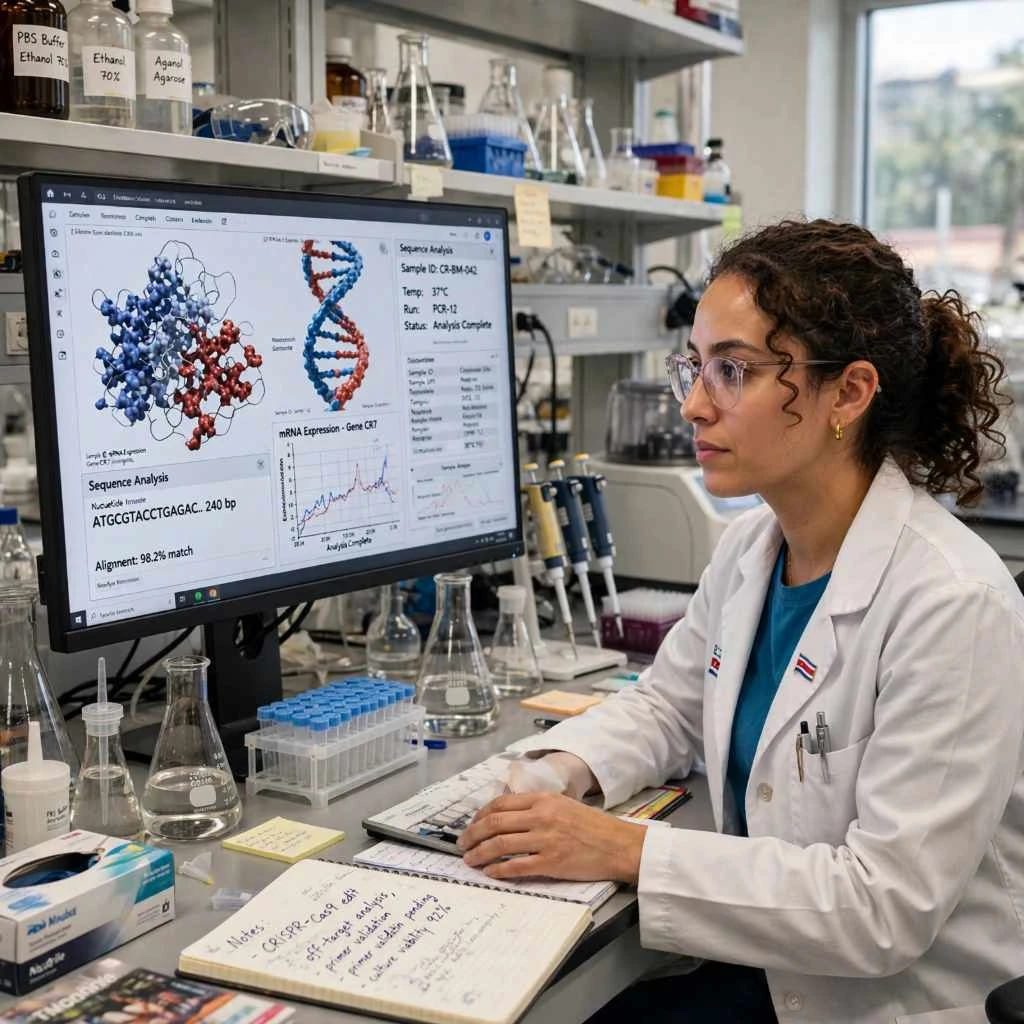
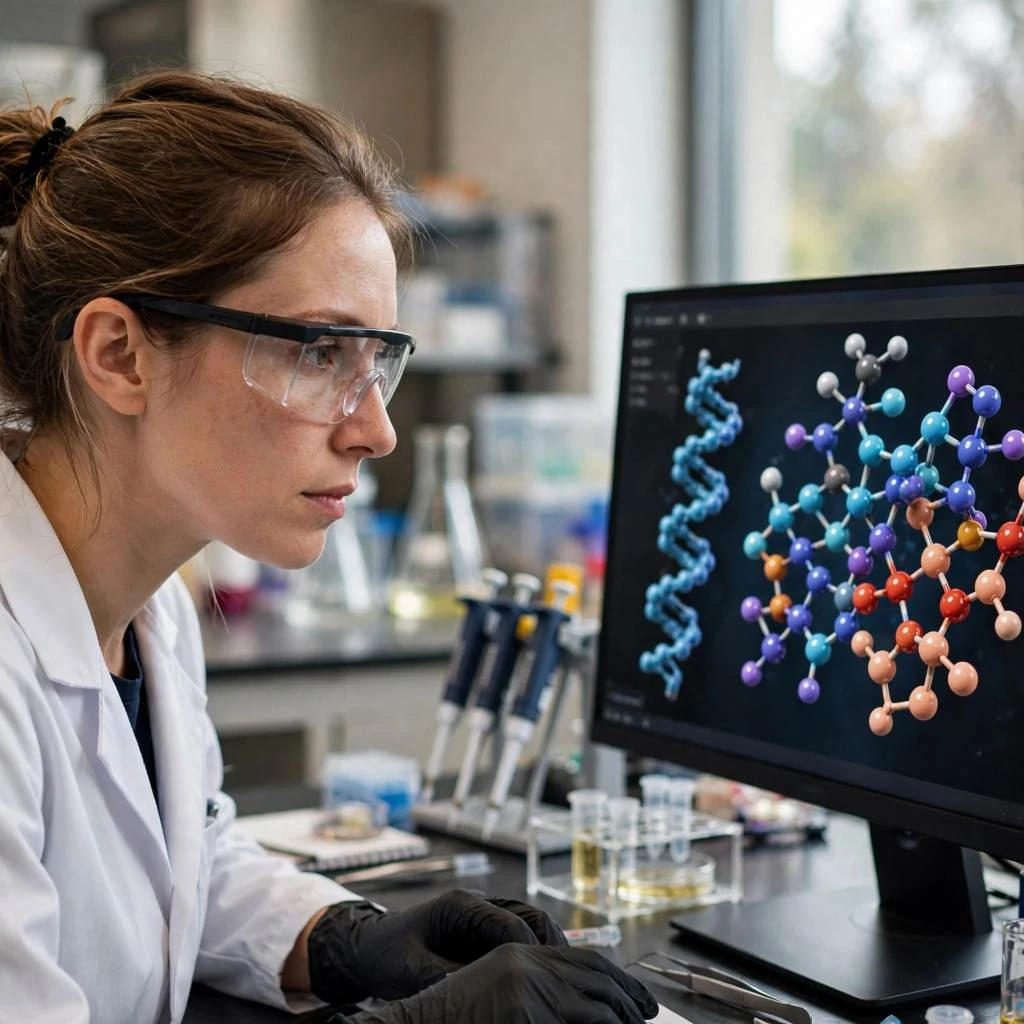
Advances in laboratory technology have transformed how scientists investigate peptide molecules. Modern analytical techniques can provide detailed information about molecular structure, while computational tools can assist researchers in examining sequences and predicting possible interactions. Chemical synthesis has also become increasingly sophisticated, allowing scientists to investigate modified peptide structures and evaluate how changes may influence their properties. Together, these developments are creating a more detailed picture of peptide behavior.
Following the Science Through Trusted Resources
For anyone interested in understanding peptide research, authoritative scientific databases offer a useful starting point. The National Center for Biotechnology Information (NCBI) provides access to extensive biomedical literature and reference resources, including information concerning peptides, molecular biology, pharmacology, and related scientific fields. Reviewing established research sources can help readers distinguish experimentally supported findings from promotional claims or unsupported statements. Explore NCBI’s peptide information for a broader scientific definition and classification of peptides.
From Discovery to Potential Application
A peptide becoming scientifically interesting does not automatically mean it becomes a treatment. Research generally progresses through several stages before a potential therapeutic candidate can be considered for appropriate human use. Laboratory studies may first examine biological activity and mechanisms, followed by increasingly detailed investigations of pharmacology, safety, formulation, and effectiveness. This gradual process helps researchers determine whether an experimental concept has genuine potential.
Digital Information Needs Scientific Context
Social media has made biomedical subjects much easier to discover, but accessibility also creates challenges. Short posts may simplify complicated findings or present early research without explaining its limitations. Readers can benefit by checking whether claims are supported by peer-reviewed publications, recognized scientific organizations, or established biomedical databases. This approach is particularly important when discussions involve substances associated with health, performance, or potential therapeutic effects.
Costa Rica and the Broader Biomedical Landscape
Interest in peptides within Costa Rica can be viewed as part of a larger international movement toward personalized biology, molecular research, and innovative therapeutic development. Digital communities can encourage curiosity and introduce people to emerging scientific terminology. However, meaningful understanding comes from connecting those conversations with established research, regulatory information, and qualified scientific or medical expertise.
What the Future May Bring
Peptide science is continuing to evolve as researchers explore new molecular designs, delivery technologies, and biological targets. Future developments may improve how certain peptide candidates are studied, manufactured, transported, or administered. Research into longer-lasting molecules, targeted delivery systems, and advanced formulations could further expand the possibilities being investigated in laboratories around the world.
Making Sense of a Fast-Moving Field
The increasing attention surrounding peptides demonstrates how quickly specialized scientific subjects can enter mainstream conversations. For readers exploring Costa Rica’s peptide landscape, the most valuable approach is one based on curiosity and evidence. Social platforms can provide an introduction, while scientific literature and authoritative databases provide the deeper context. Together, these resources offer a clearer way to understand where peptide science stands today and how future research may shape its direction.