Peptides Costa Rica and Emerging Peptide Technology
 Abel Shelton
Costa Rica’s Expanding Biotechnology Landscape
Costa Rica is gaining attention for its expanding biotechnology potential, and Peptides Costa Rica reflects this growing interest in advanced scientific solutions. As interest in peptide science continues to rise, PCR reviews here can help readers understand how this emerging field is connected with broader developments in biotechnology and pharmaceutical research. Peptides are short chains of amino acids that can be designed to interact with specific biological targets, making them increasingly important in modern research and therapeutic development. Recent scientific literature highlights their potential because of their selectivity, versatility, and ability to address biological pathways that can be difficult to target with conventional approaches.
Advancing Peptide Based Research
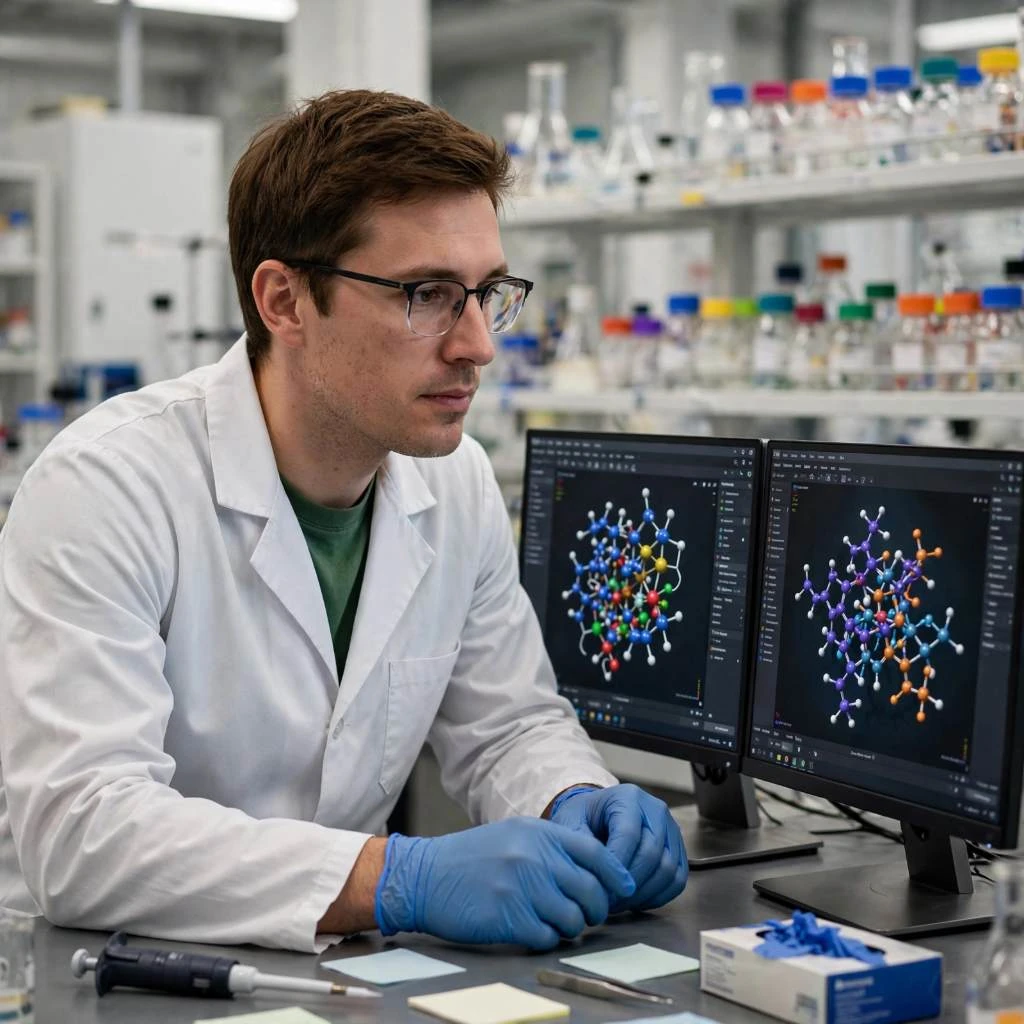
The development of peptide-based technologies represents an important area of biotechnology innovation. Researchers can study naturally occurring peptides, modify existing sequences, or design new molecules for specific biological purposes. These approaches have supported progress in areas such as drug discovery, molecular research, targeted delivery, and therapeutic development. Modern peptide research also combines chemistry, biology, computational science, and analytical techniques, creating opportunities for more precise and efficient development processes.
Peptides and Their Scientific Potential
One of the most important advantages of peptides is their ability to interact selectively with biological targets. Their molecular structure gives researchers considerable flexibility when developing candidates for specific applications. Scientific reviews describe peptides as a bridge between traditional small-molecule medicines and larger biological therapies, offering characteristics that can make them attractive for precision-focused research. Their potential applications extend across several areas of medicine and biotechnology, while ongoing research continues to examine their effectiveness, stability, delivery, and safety.
Costa Rica and Biotechnology Entrepreneurship
The emergence of biotechnology-focused startups in Costa Rica demonstrates how scientific entrepreneurship can contribute to the development of specialized industries. A startup centered on peptide technology can bring together research knowledge, laboratory capabilities, product development, and commercial strategy. This type of business model can also encourage collaboration between scientific professionals and technology-driven organizations. For Costa Rica, continued investment in biotechnology entrepreneurship can create opportunities to participate in innovative sectors where specialized knowledge and research capabilities are increasingly valuable.

From Research to Practical Applications
Moving peptide research from an early concept toward practical applications requires careful scientific evaluation. Researchers must consider molecular stability, biological activity, manufacturing methods, delivery systems, and reproducibility. Peptides can face challenges such as rapid enzymatic degradation, limited permeability, and difficulties associated with certain delivery routes. New strategies, including structural modifications, advanced formulations, and improved synthesis methods, are being explored to address these limitations.
Technology Transforming Peptide Research
Technology is also changing how peptide candidates are discovered and evaluated. Computational modeling, artificial intelligence, molecular simulation, and data-driven design are increasingly being incorporated into peptide research. These technologies can help scientists examine large numbers of possible sequences and identify promising candidates for further investigation. A 2026 review notes that data-driven approaches are becoming an important part of contemporary peptide design, although experimental validation remains essential before computational predictions can translate into reliable biological outcomes.
Scientific Evidence and Responsible Development
Scientific evidence remains essential as peptide technologies continue to develop. Research publications provide an important foundation for understanding what is established, what remains experimental, and which challenges still require investigation. Readers interested in the scientific background can explore PubMed peptide therapeutics research, which provides access to peer-reviewed biomedical research and a recent review of peptide synthesis, pharmacology, therapeutic development, and delivery strategies. Responsible development also requires distinguishing laboratory research from clinically validated applications.
What’s Next for Peptide Biotechnology
The future of peptide biotechnology will likely depend on continued research, improved production methods, better delivery technologies, and stronger computational tools. Recent research describes a growing pipeline of peptide-based candidates and continued innovation in areas such as structural engineering, targeted delivery, and artificial intelligence-assisted design. For Costa Rica, a startup working within this sector represents an opportunity to connect scientific entrepreneurship with an international biotechnology trend. As peptide research advances, initiatives focused on quality, evidence, innovation, and responsible development can help strengthen the country’s position within this evolving scientific field.